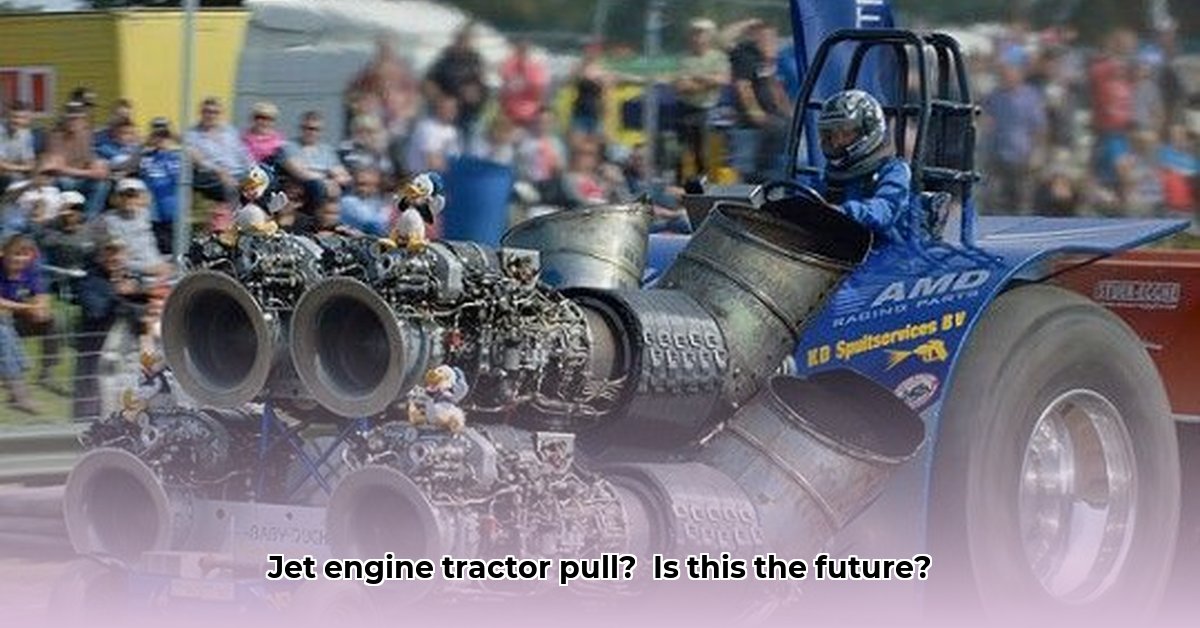
Tractor Pull Jet Engines: A Powerful Idea, But Is It Practical?
The internet is awash with videos showcasing tractors pulling incredible weights, powered by—surprisingly—jet engines. While the spectacle is undeniably impressive, the question remains: is this a genuine advancement in agricultural technology or merely a high-powered stunt? This article explores the feasibility, challenges, and potential future directions of jet engine-powered tractors. It's important to note, however, that a significant lack of quantitative data currently hinders a definitive assessment. For more extreme examples, see this tractor pull compilation.
The Promise and the Peril of Jet-Powered Agriculture
The core concept is straightforward: harness the immense power of a jet engine to revolutionize demanding agricultural tasks. Imagine clearing dense forests, plowing exceptionally hard soil, or pulling heavy loads with unprecedented efficiency. This vision, however, faces substantial challenges.
- Unprecedented Power: Jet engines offer unparalleled power compared to traditional agricultural machinery. This could significantly reduce time and labor for large-scale operations.
- High Costs: The expense of acquiring, maintaining, and operating jet engines outweighs that of conventional tractor engines considerably. Fuel consumption is a significant factor.
- Environmental Concerns: Jet engines produce substantial emissions, raising concerns about their environmental impact and compliance with evolving regulations.
The Critical Need for Data
While captivating videos demonstrate the potential power, crucial quantitative data is missing to assess viability. We lack precise information across several key areas:
- Pulling Capacity: Precise measurements of pulling power under varying conditions (soil type, moisture content) are needed to compare performance against conventional tractors.
- Fuel Efficiency: A detailed comparison of fuel consumption per unit of work (e.g., acres plowed) between jet-powered and diesel tractors is essential for economic feasibility assessment.
- Maintenance Costs: The cost of repairs, parts, and specialized maintenance for jet engines needs to be thoroughly evaluated.
- Environmental Impact: Comprehensive data on emissions (including noise pollution) is crucial for assessing the environmental footprint and regulatory compliance.
Without this data, any assessment remains speculative.
Economic and Environmental Considerations
The high operating and maintenance costs of jet engines present a significant hurdle. Farmers operate on tight margins, requiring a substantial increase in productivity to justify the added expense. A comprehensive cost-benefit analysis is critical before widespread adoption can be considered.
Furthermore, the environmental impact of jet fuel consumption raises significant concerns. Growing climate change awareness and stringent environmental regulations necessitate the investigation of alternative, more sustainable fuels or propulsion systems.
Stakeholder Collaboration and Actionable Steps
Successful development of jet-powered tractors requires collaboration among multiple stakeholders:
- Tractor Manufacturers: Should investigate the feasibility of integrating jet engines; long-term, explore alternative, more efficient propulsion systems (e.g., biofuels, hybrid technologies).
- Farmers and Agribusinesses: Need to conduct cost-effectiveness analyses tailored to their specific needs and assess the balance between potential benefits and high costs.
- Environmental Regulators: Must establish acceptable noise and emission levels and set future standards for high-power agricultural equipment.
- Agricultural Research Institutes: Should conduct extensive field trials and develop advanced computer models to simulate performance and environmental impact.
Risk Assessment and Mitigation
Significant risks associated with jet-powered tractors include:
| Risk Factor | Likelihood | Impact | Mitigation Strategy |
|---|---|---|---|
| Exorbitant Operating Costs | High | Extremely Negative | Explore alternative fuels, optimize engine design, improve energy efficiency. |
| Regulatory Non-Compliance | Moderate | Extremely Negative | Proactive engagement with regulators, early compliance planning. |
| Safety Hazards | Moderate | Extremely Negative | Advanced safety systems, rigorous operator training programs. |
| Frequent Breakdowns | Moderate | Moderate Negative | Robust designs, thorough testing, frequent maintenance. |
Addressing these risks proactively is vital for the responsible development of this technology.
Conclusion: A Promising but Unproven Concept
The potential of jet engine-powered tractors is compelling, but their practicality remains unproven. While they may not replace conventional tractors entirely, they might find niche applications where extreme power is essential. Further research is imperative to overcome the identified challenges and determine the ultimate role of this technology in modern agriculture. The path forward requires careful analysis, sustainable development, and a balanced consideration of both raw power and economic viability.